Ancient Embryo Fossil Reveals How Mammal Ancestors Survived Earth's Worst Extinction
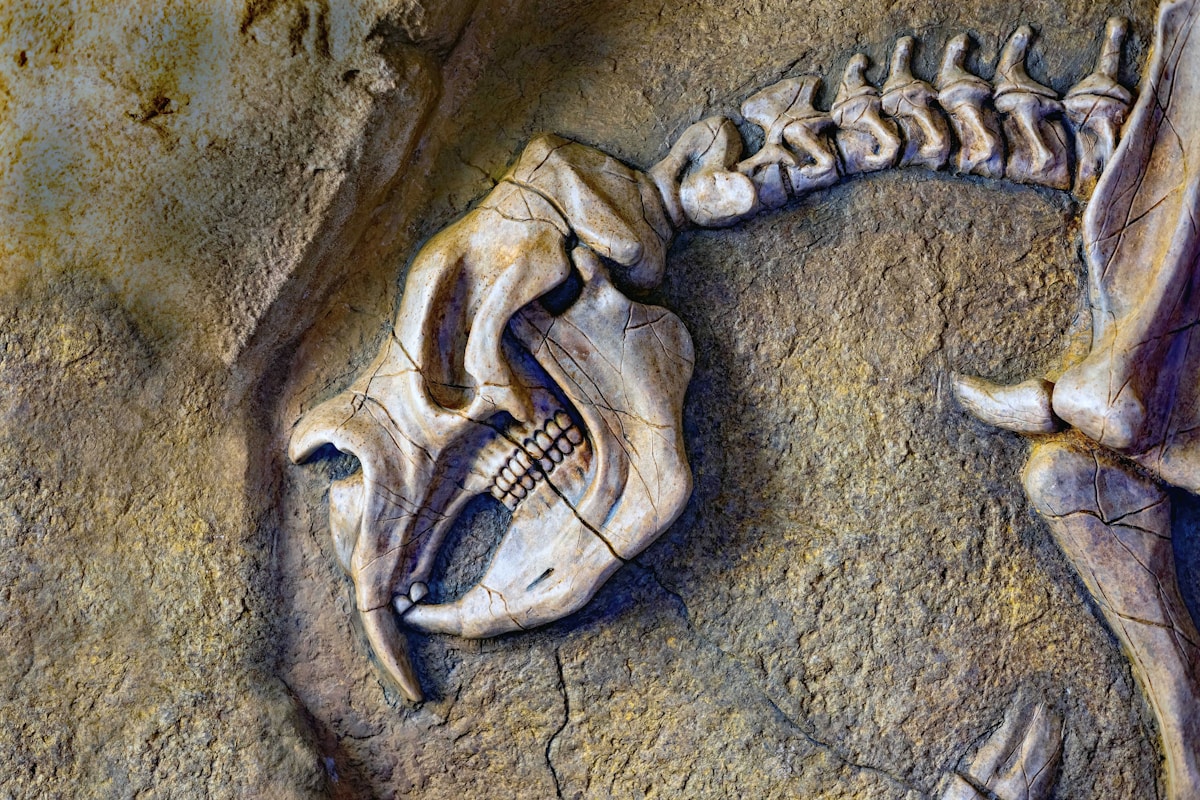
Photo: David Clode / Unsplash
Scientists have discovered fossil evidence showing that Lystrosaurus, a resilient mammal ancestor, laid eggs—solving a decades-long mystery about how our distant relatives thrived after the planet's most devastating mass extinction 252 million years ago. This remarkable finding helps explain how mammals evolved and survived one of nature's greatest challenges, offering new insights into the evolutionary journey that eventually led to all modern mammals.
Scientists have discovered fossil evidence showing that Lystrosaurus, a resilient mammal ancestor, laid eggs—solving a decades-long mystery about how our distant relatives thrived after the planet’s most devastating mass extinction 252 million years ago. This remarkable finding helps explain how mammals evolved and survived one of nature’s greatest challenges, offering new insights into the evolutionary journey that eventually led to all modern mammals.