Ancient Oklahoma Fossil Unlocks 289-Million-Year-Old Secret to How Lungs Work
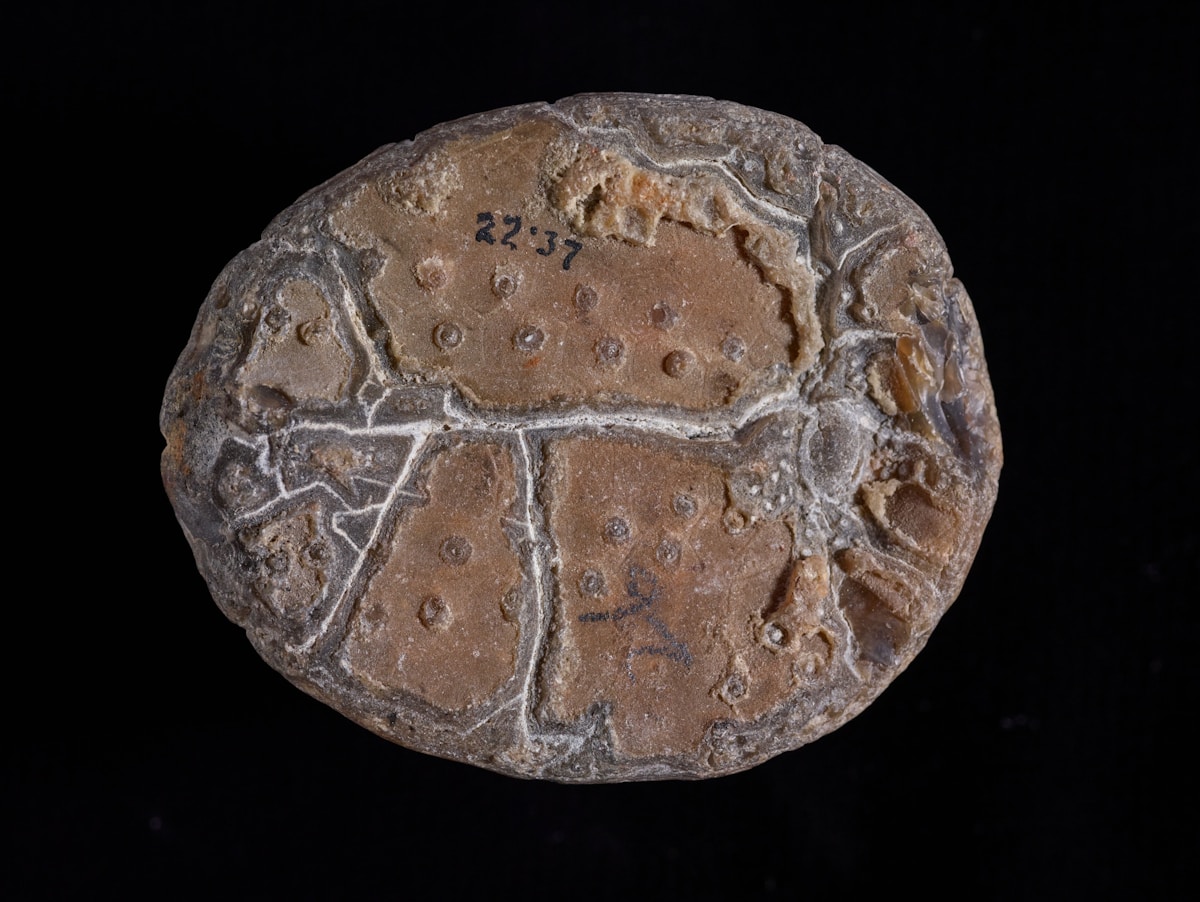
Photo: Birmingham Museums Trust / Unsplash
Scientists have discovered an extraordinarily well-preserved reptile fossil from an Oklahoma cave that reveals the earliest known evidence of lung function in vertebrates. The remarkably intact remains, including mummified skin, scales, and even preserved proteins, offer researchers an unprecedented window into how breathing evolved—connecting us to an ancient biological story written into our own bodies.
Scientists have discovered an extraordinarily well-preserved reptile fossil from an Oklahoma cave that reveals the earliest known evidence of lung function in vertebrates. The remarkably intact remains, including mummified skin, scales, and even preserved proteins, offer researchers an unprecedented window into how breathing evolved—connecting us to an ancient biological story written into our own bodies.