Ancient Impact Craters May Have Been Cradles for Earth's First Oxygen-Producing Life
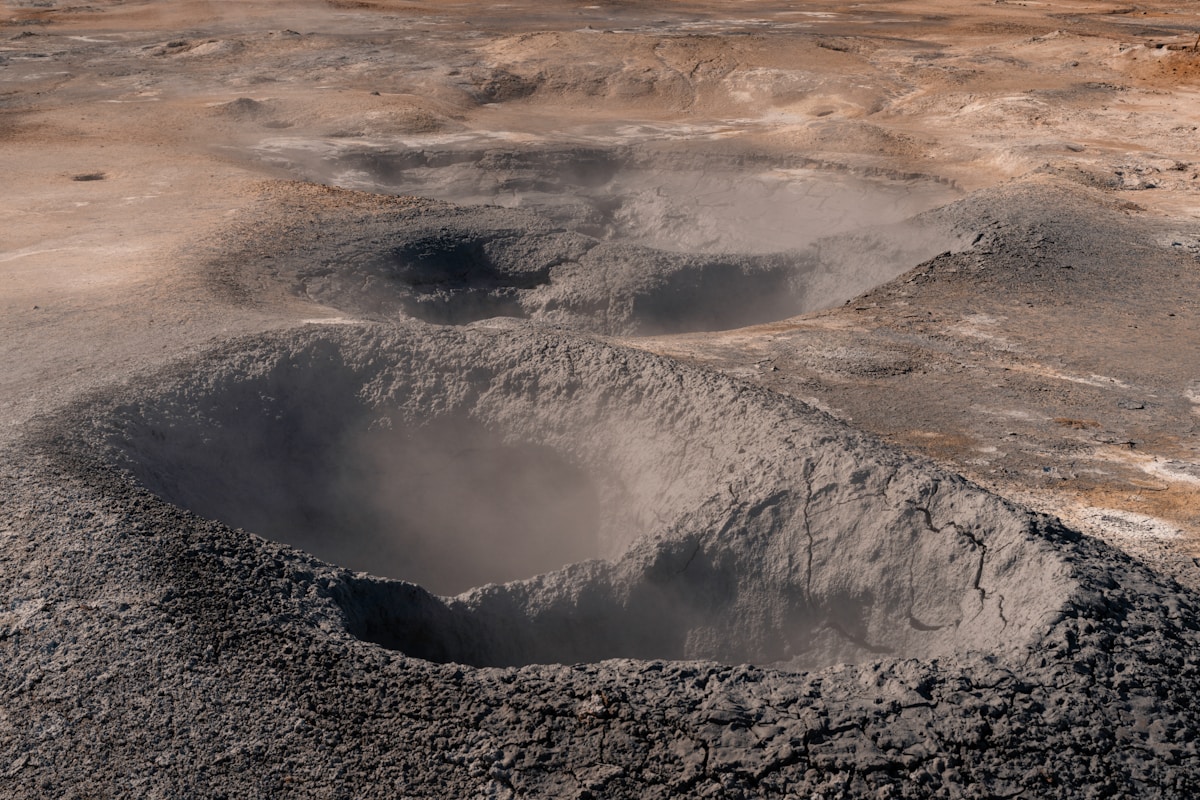
Photo: Raul Ling / Unsplash
Scientists have discovered fossil-like stromatolites in South Korea's Hapcheon impact crater, suggesting that asteroid strikes created ideal conditions for early oxygen-producing microbes to thrive. This finding offers a fascinating new perspective on how one of Earth's most transformative biological events—the rise of atmospheric oxygen—may have begun in the warm, mineral-rich lakes left behind by cosmic collisions.
Scientists have discovered fossil-like stromatolites in South Korea’s Hapcheon impact crater, suggesting that asteroid strikes created ideal conditions for early oxygen-producing microbes to thrive. This finding offers a fascinating new perspective on how one of Earth’s most transformative biological events—the rise of atmospheric oxygen—may have begun in the warm, mineral-rich lakes left behind by cosmic collisions.