← Back to all stories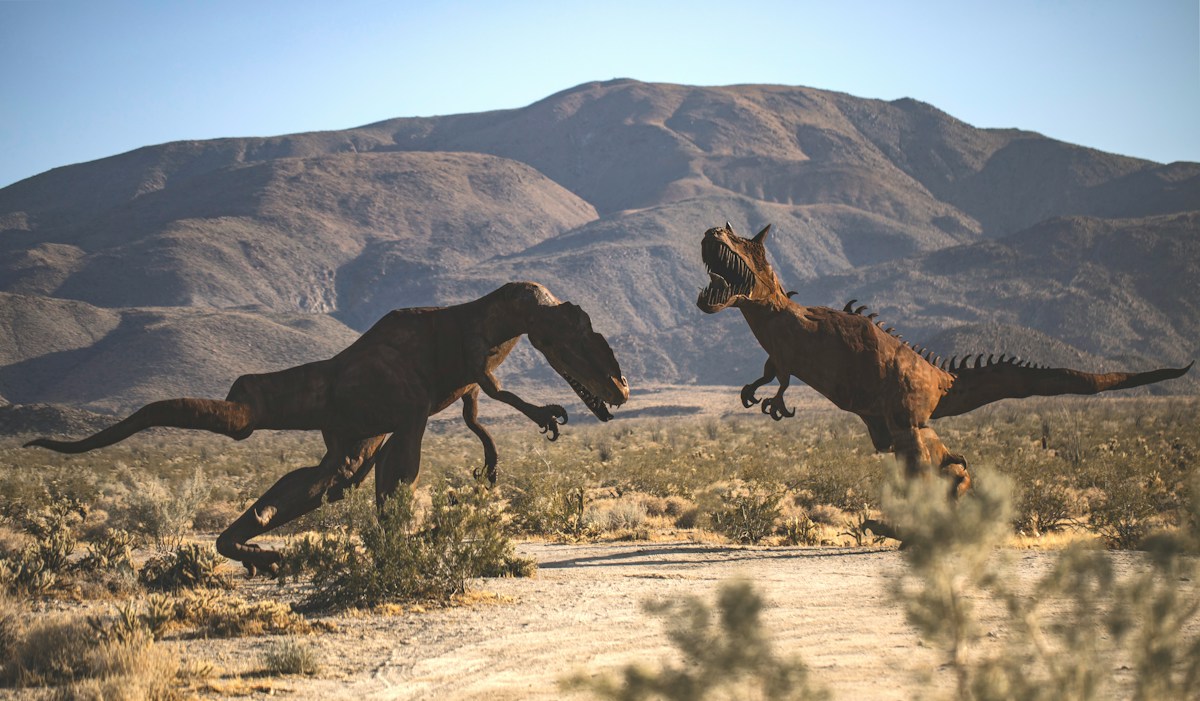
Fossil Discovery of Tiny Jurassic Mammal Relative Reveals Early Blueprint for Human Brain Evolution
Photo: Leo_Visions / Unsplash
Paleontologists have uncovered the fossil of Megacauda sungei, a 165-million-year-old aquatic predator that offers new insight into mammalian history. The creature's specialized swallowing anatomy marks a crucial early evolutionary step toward nursing, which ultimately helped pave the way for the development of complex mammalian brains.
Paleontologists have uncovered the fossil of Megacauda sungei, a 165-million-year-old aquatic predator that offers new insight into mammalian history. The creature’s specialized swallowing anatomy marks a crucial early evolutionary step toward nursing, which ultimately helped pave the way for the development of complex mammalian brains.